

Chondromalacia Patella
From the running track to the basketball court to a stroll through Midtown Manhattan, you wouldn't get anywhere without healthy, pain-free knees. When knee pain hits, it makes every facet of your life harder to manage. One common source of knee pain is chondromalacia patella. Put simply, it's the breakdown of cartilage under your kneecap — the patella — causing discomfort due to the resulting friction between your leg bones.
While chondromalacia patella often strikes athletes, especially runners, it can affect just about anyone. Even if you're not an athlete, a visit to a New York City sports medicine clinic is the first step toward diagnosis, treatment, and relief of this troublesome knee pain. The pain from chondromalacia patella is worse than the pain from bursitis or tendonitis.
Chondromalacia Patella NYC — SPIN Sports Pain Specialists
Ready to treat your chondromalacia patella?
Same-day chondromalacia patella appointments available.
Understanding Chondromalacia Patella
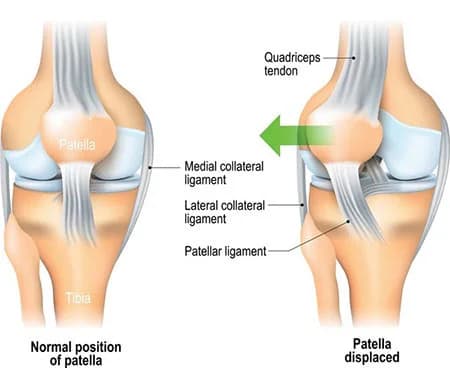
The kneecap, or patella, is just what it sounds like: a small, curved, cap of bone that covers the joint where your leg bones meet. It's cushioned by cartilage, allowing your knee to bend smoothly and easily. The cartilage provides a layer of protection between the bones.
When the cartilage below your patella wears away, it allows the patella to scrape against your thigh bone, or femur. As the cartilage deteriorates, the pain and discomfort in your knees gets worse. You might experience chondromalacia patella in one knee or in both knees.
Signs and Symptoms
Chondromalacia patella doesn't usually have any visible signs, although you may notice that your kneecap looks a little off as it slips to the side. Other symptoms of chondromalacia patellae include:
Occasionally, chondromalacia patella can cause your knee to give out, resulting in a loss of balance or a fall. Seeking treatment for chondromalacia patella, even if the pain seems relatively minor, can help protect your overall well-being.
Risk Factors
Athletes are most at risk for developing chondromalacia patellae. If you play sports that involve running, jumping or other repeated impacts to the knees, you may eventually need chondromalacia patella treatment. There are, however, other risk factors for developing the condition, such as:
Diagnosing Chondromalacia Patellae
When you visit your Manhattan sports doctor's office in search of a diagnosis, your physician performs a thorough examination of your knees. The doctor feels your kneecap and the surrounding area, manipulates the joint to see when and how the discomfort presents itself and takes an inventory of your symptoms and medical history. Often, that's enough to make the diagnosis.
If further information is needed or prior treatments have been unsuccessful, your doctor may order further tests, including:
Ready to find relief from chondromalacia patella?
Dr. Melepura's Midtown Manhattan clinic offers same-day appointments for evaluation and treatment.
Treatment for Chondromalacia Patella
Chondromalacia patella treatment usually starts with prevention and pain management. Over-the-counter anti-inflammatory medications and topical analgesic creams can ease the immediate pain. Your NYC pain specialist recommends that you rest your knee and apply an ice pack to help reduce the swelling and discomfort.
With treatment, most people recover from chondromalacia patella. In extreme cases, surgery is a last option to resurface your kneecap, release ligament tension or change the placement of muscles to allow greater ease of movement.
But for the most part, taking preventative action can help ensure that you're stepping live through life without pain:
- Consider changing your exercise routine to one that minimizes impact to your knees and emphasizes stretching.
- Do strength-building exercises to build up the muscles surrounding the joint so the kneecap stays in place.
- Attend physical therapy to learn new ways to stay in shape and keep your knees aligned.
- Wear arch supports or custom orthotic inserts to help align your bones and reduce the pain of chondromalacia patella as you trek around Manhattan.
- Tape your knee for additional support before playing sports.
- Eat a healthy diet and consider losing weight if obesity is a contributing factor.
Real Stories from our Patients




Dr. Febin Melepura, MD
Double Board-Certified Pain Specialist
Meet Dr. Febin Melepura — Your Chondromalacia Patella Specialist in NYC
Dr. Febin Melepura, MD is a double board-certified interventional pain management specialist and the founder of the Sports Pain Institute of New York. He completed his residency and fellowship training at New York Presbyterian Hospital / Columbia University Medical Center, one of the nation's leading academic medical centers.
He holds dual board certifications from the American Board of Anesthesiology and the American Board of Pain Medicine, and has treated more than 7,500 patients and performed over 5,250 procedures throughout his career. He has been named a Top Pain Management Doctor in New York and one of America's Top Doctors™ by Castle Connolly.
Dr. Melepura's approach to chondromalacia patella is rooted in precision: identify the exact source, treat it with a targeted injection, and get you back to your daily life as quickly as possible.
Ready to Book an Appointment?
Same-day appointments available. Call (212) 621-7746 or book online.
What Our Chondromalacia Patella Patients Say

"Able to make an appointment to see Dr. Melepura on short notice… attentive to my concerns… Jazmin was also very kind and helpful."

"Excellent hospitality, listener and explainer… highly recommend the doctor and the place."
"Dr. Melepura is the best! He worked with me to find the optimal solution to my shoulder pain while I was preparing for a fight!"
"Lovely, bright and modern… doctor and staff were kind… felt my concerns were heard."
"Helpful and friendly staff who gladly follows up with you if and when needed. Dr Melepura was very helpful and professional as well as provided me with excellent information and feedback."
"Dr Febin is fantastic! Highly recommend him and his practice the Spin clinic. The doctor is a good listener, kind, attentive and gave me great advice. "
"Dr.Melepura was very efficient and interpersonal, felt like he was understanding the problems I was having and explained the processes to take to rehabilitate. I would recommend."
"I felt listened to and truly understood by Dr. Melepura. Started PT the very next day. They were very friendly and I didn't feel rushed at all. Already recommended them to my friends who have or continue to play through pain."