

Cubital Tunnel Syndrome
While cubital tunnel syndrome and radial tunnel syndrome aren't as widely known as carpal tunnel syndrome, that doesn't mean that they're any less harmful. And these two conditions are often mistaken for their more well-known cousin. Like carpal tunnel syndrome, cubital tunnel syndrome also causes:
- Severe pain
- Tingling in your hand or arm
- Numbness in your wrist, hand, or arm
- Muscle weakness in your hand or arm
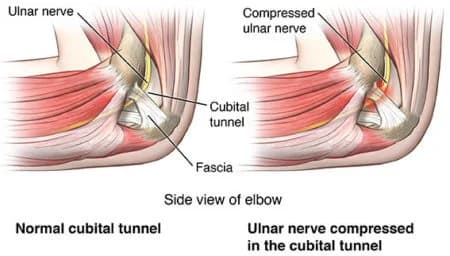
Increased pressure is the most common cause of these conditions. Your bone or connective tissue may be putting pressure on a nerve in your wrist. This is called nerve compression. Most cases of cubital tunnel syndrome or radial tunnel syndrome react well to conservative treatment when prescribed by your sports medicine and pain management doctor. However, if your case is more severe, surgery may be necessary to reduce the pressure on your nerve.
Cubital Tunnel Syndrome NYC — SPIN Sports Pain Specialists
Ready to get relief from cubital tunnel syndrome?
Same-day cubital tunnel syndrome appointments available.
The What and Why of Cubital Tunnel Syndrome
Cubital tunnel syndrome is also called ulnar neuropathy. Your ulnar nerve is actually pretty close to the surface of your skin and is located around the infamous "funny bone" in your elbow. You have an increased risk of the cubital syndrome if you:
- Constantly lean on your elbow. Hard surfaces can make this a lot worse.
- Bend your elbow for long periods of time. This can include simple things you wouldn't expect, such as:
- Holding your phone to your ear
- Sleeping with your arm bent beneath your body or your pillow
Cubital tunnel syndrome can also be caused by:
- Abnormal bone growth in your elbow
- Intense physical activities
Any activity that puts extra pressure on your ulnar nerve can potentially result in this condition. Catching early symptoms can save you pain and trouble down the road. If you're experiencing any of the following symptoms, you should contact your physician immediately:
- Elbow pain or numbness
- Tingling in your ring finger or little finger
If your condition is more advanced, your symptoms are usually more serious. Here are a few things to look out for:
- Weakness in your ring finger or little finger
- Difficulty pinching your thumb and little finger together
- Weakened grip in your hand
- Atrophy of the muscles in your hand
- Your hand starts drawing up, like a claw
If your case has advanced to any of these symptoms, it may be possible for your doctor to diagnose you with just a simple physical exam. However, he may recommend a nerve conduction study or electromyography. Electromyography is a test that gauges the health of your muscles and nerve cells with the use of electrodes. This helps identify your problem area and determine the severity of the compression.
Cubital Tunnel Syndrome Treatment in Midtown Manhattan, NY
The amount of pressure on your nerve affects which treatment for cubital tunnel syndrome is your best option. If the pressure on your ulnar nerve is minimal, more conservative methods of treatment for cubital tunnel syndrome are more beneficial. Mild cases, typically respond well to physical therapies such as:
More severe cases require surgical treatment for cubital tunnel syndrome. But don't let this upset you; well over half of all cases are resolved by surgery. These procedures are designed to relieve pressure on your ulnar nerve. Surgical procedures include:
Decompression of your ulnar nerve
Shifting the position of your ulnar nerve
Moving your ulnar nerve:
- Under a layer of fat
- Under your muscle
- Inside your muscle
Making an adjustment to the tissue that your ulnar nerve runs beneath
Cubital tunnel syndrome treatment has a high success rate. If you do require surgery, your recovery is going to involve restrictions to movement and lifting. Rehab and physical therapy as directed by your pain expert has to be a vital part of your recovery. But a full and complete recovery can take several months.
Doing What's Right for You
Pay attention to your body. Catching your condition early increases your chances for success with less invasive cubital tunnel syndrome treatments, which spares you from the lengthy recovery associated with surgery. Your case, however, is unique. Your team of sports medicine doctors is ready to help you figure out the best possible treatment for cubital tunnel syndrome for your individual needs.
If less invasive methods don't improve your condition after a couple of months, it may be time to start discussing your surgical options. When surgery is your best option, patience is a virtue. Pushing yourself too hard does more harm than good. You need a medical professional in NYC to see you from cubital tunnel syndrome treatment all the way through your diagnosis and recovery.
Ready to find relief from cubital tunnel syndrome?
Dr. Melepura's Midtown Manhattan clinic offers same-day appointments for evaluation and treatment.
Real Stories from our Patients





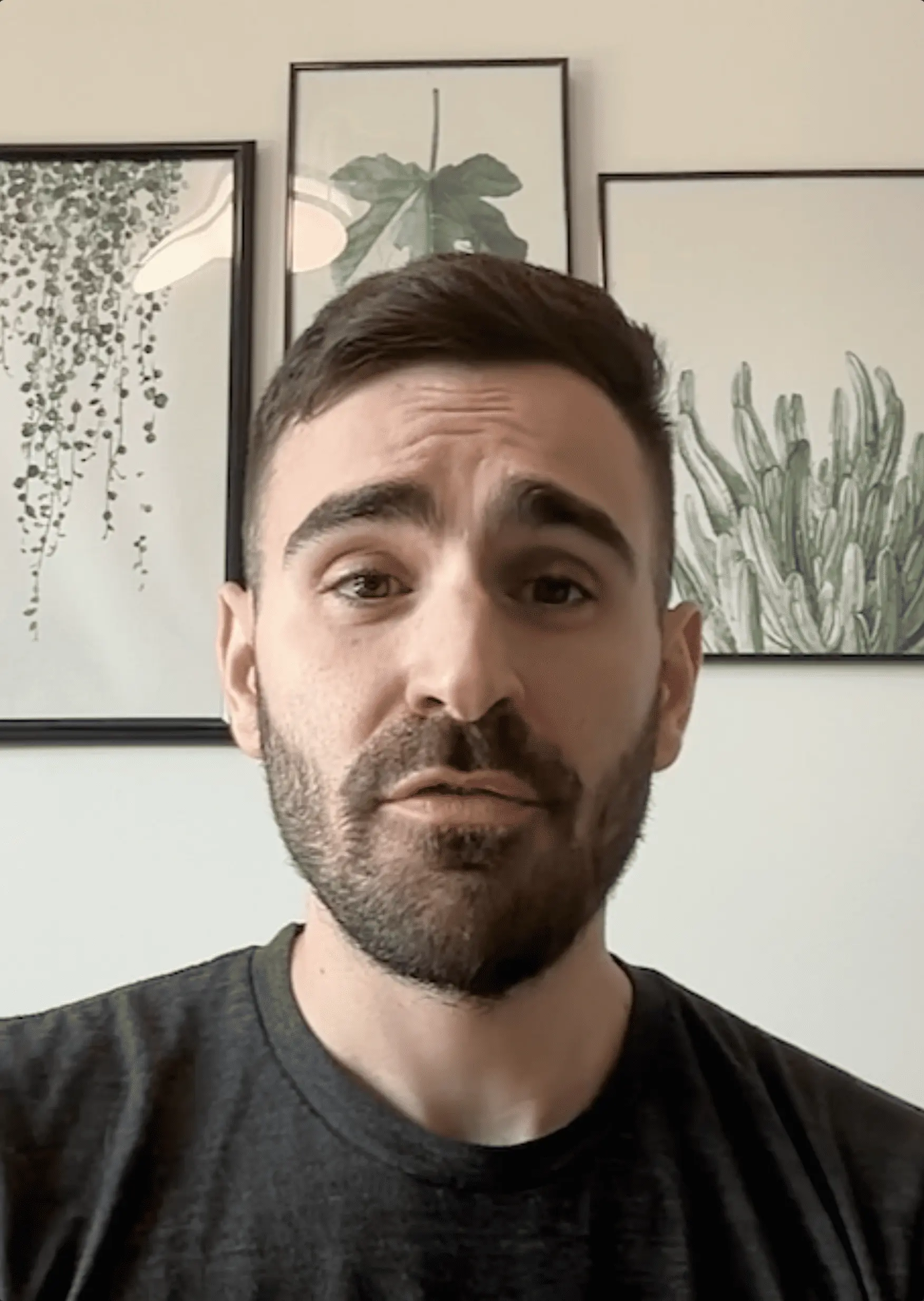


Dr. Febin Melepura, MD
Double Board-Certified Pain Specialist
Meet Dr. Febin Melepura — Your Cubital Tunnel Syndrome Specialist in NYC
Dr. Febin Melepura, MD is a double board-certified interventional pain management specialist and the founder of the Sports Pain Institute of New York. He completed his residency and fellowship training at New York Presbyterian Hospital / Columbia University Medical Center, one of the nation's leading academic medical centers.
He holds dual board certifications from the American Board of Anesthesiology and the American Board of Pain Medicine, and has treated more than 7,500 patients and performed over 5,250 procedures throughout his career. He has been named a Top Pain Management Doctor in New York and one of America's Top Doctors™ by Castle Connolly.
Dr. Melepura's approach to cubital tunnel syndrome is rooted in precision: identify the exact source, treat it with a targeted injection, and get you back to your daily life as quickly as possible.
Ready to Book an Appointment?
Same-day appointments available. Call (212) 621-7746 or book online.
What Our Cubital Tunnel Syndrome Patients Say

"Able to make an appointment to see Dr. Melepura on short notice… attentive to my concerns… Jazmin was also very kind and helpful."

"Excellent hospitality, listener and explainer… highly recommend the doctor and the place."
"Dr. Melepura is the best! He worked with me to find the optimal solution to my shoulder pain while I was preparing for a fight!"
"Lovely, bright and modern… doctor and staff were kind… felt my concerns were heard."
"Helpful and friendly staff who gladly follows up with you if and when needed. Dr Melepura was very helpful and professional as well as provided me with excellent information and feedback."
"Dr Febin is fantastic! Highly recommend him and his practice the Spin clinic. The doctor is a good listener, kind, attentive and gave me great advice. "
"Dr.Melepura was very efficient and interpersonal, felt like he was understanding the problems I was having and explained the processes to take to rehabilitate. I would recommend."
"I felt listened to and truly understood by Dr. Melepura. Started PT the very next day. They were very friendly and I didn't feel rushed at all. Already recommended them to my friends who have or continue to play through pain."