

Shoulder Injuries
Sore muscles or aches in your shoulders plague nearly everyone. The shoulder joint has the greatest range of motion of any joint in your body, and that makes it susceptible to injury or overuse. Problems such as wear and tear or the natural process of aging also create discomfort and lack of mobility.
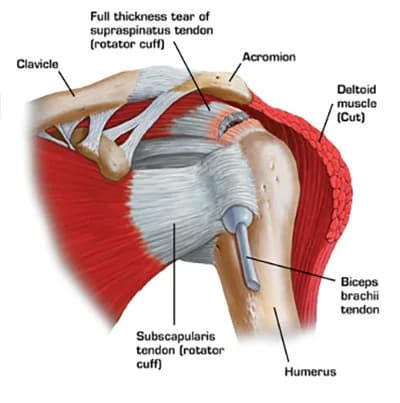
Your shoulder is a ball-and-socket joint with three main bones: the humerus or upper arm bone, the clavicle or collarbone and the scapula or shoulder blade. Ligaments, tendons and muscles hold these bones together. The bones and soft tissue also protect the large nerve bundles running from your neck down into your arms.
Each element of this complex joint has the potential for injury. And if one part fails, for whatever reason, you may end up with shoulder instability. Then you need the expertise of our top-rated pain specialist in NYC.
Shoulder Injuries NYC — SPIN Sports Pain Specialists
Ready to find relief from shoulder injuries?
Same-day shoulder injury appointments available.
Causes of Shoulder Injury
A shoulder injury can result from an acute injury, from overuse injuries or from other related causes. Even poor habits contribute to the possibility of injury or shoulder instability. Acute injuries include:
- Falling on an outstretched arm
- A direct blow to your shoulder
- Abnormal twisting or bending
- Sports or recreational injuries
- Injury to the ligaments, resulting in a sprain
- Injury to the nerves of your shoulder
- Separation or dislocation of the shoulder joint
- Torn rotator cuff
Types of Shoulder Injury
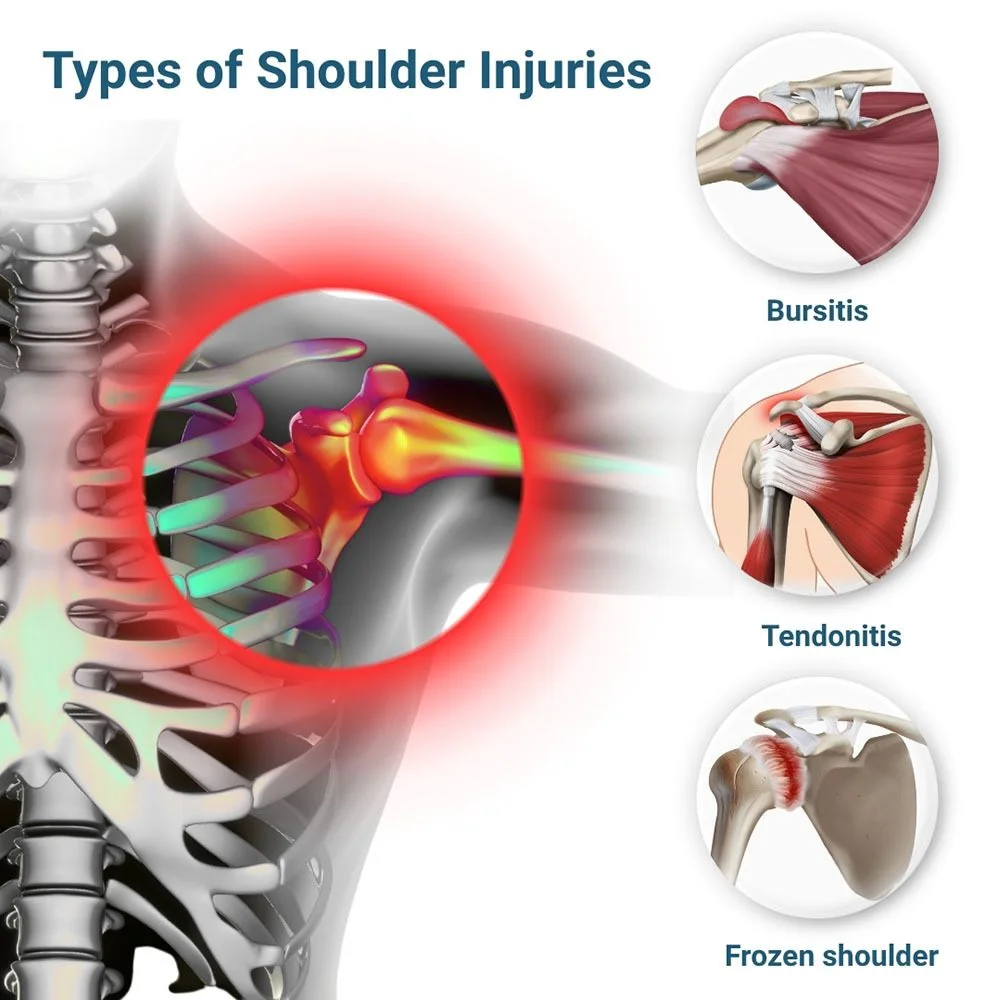
The range of motion of your shoulder makes it very vulnerable to various injuries. Using advanced technology, we can accurately diagnose the type of injury you have and develop individualized treatment programs based on the data collected. The most common shoulder injuries include:


Other causes include:
Muscle tension
Poor posture
Osteoarthritis
Calcium buildup
Herniated disc in your back
These are just some of the possible types of shoulder injuries. Each case requires individualized treatment and attention. See a shoulder injury doctor for evaluation and treatment if you or someone you know has suffered a shoulder injury.
Symptoms of Common Shoulder Injuries
Symptoms of shoulder instability and shoulder injury vary widely in severity, depending on the cause. Common symptoms include:
Diagnosis of Common Shoulder Injuries
Our pain care specialist begins diagnosis with a complete medical history, including any traumas or injuries, especially recently. He conducts a thorough physical exam of your shoulder, testing for tenderness, numbness, and weakness.
Your doctor may also order imaging tests such as x-rays, ultrasound, computed tomography, or magnetic resonance imagery (MRI). These pinpoint whether bones, discs or soft tissue such as ligaments or tendons are causing your pain.
Shoulder Injury Treatment
Treatment depends on the cause and severity of your pain and injury, but your shoulder injury specialist often recommends a personalized combination of the following treatments:
- Rest and restricted movement, the first step for shoulder injuries treatment
- Ice in the first few days to reduce inflammation and then heat afterwards to stretch muscles and increase blood flow, which helps with pain
- Keeping your shoulder and arms or hands slightly elevated on pillows to reduce swelling
- Physical therapy for shoulder instability treatment, including stretching and strengthening exercises, to stabilize damaged soft tissue
- Over-the-counter pain relievers such as acetaminophen, ibuprofen and naproxen sodium for the pain
- Prescription painkillers and muscle relaxants, if necessary, for short-term use
- Joint or soft-tissue injections
- Surgery, a more extreme shoulder instability treatment, to remove bone spurs
- Arthroscopic or open tendon repair surgery as a shoulder tendon injury treatment
- Shoulder joint replacement surgery for significant shoulder injuries or debilitating deterioration
Your pain specialist always recommends the most conservative, but effective treatment for shoulder instability and all other shoulder injuries. Surgery is a last resort, due to the risks and extended recovery time. Should you require replacement surgery, recovery can take up to six months, including the accompanying rehabilitative physical therapy.
Ready to find relief from shoulder injuries?
Dr. Melepura's Midtown Manhattan clinic offers same-day appointments for evaluation and treatment.
Prevention and Aftercare for Shoulder Injuries Treatment
Whether you're trying to prevent shoulder injury or working to take special care after your shoulder injury treatment, some basic habits can be beneficial to alleviate or avoid future pain and shoulder instability issues. These preventative steps include:
- Stay in good health by stretching and doing daily range-of-motion exercises.
- Maintain good posture at all times.
- Warm up before any activity.
- Wear protective gear during sports or recreational activities.
- Always wear your seat belt.
- Don't carry objects that are too heavy.
- Use a step stool when reaching for objects.
- Use correct lifting techniques.
- Reduce repetitive motion activities.
Your sports medicine doctor knows and understands the mechanics of your shoulder. He works to find the best treatments for your shoulder injury. If you follow his guidance, 'll get you back to a pain-free, active lifestyle, full of health and with a full range of motion.
FAQs
Diagnosing a shoulder injury usually starts with a conversation about your symptoms and a physical exam. Your doctor will check how your shoulder moves, where it hurts, and how strong it feels. To get a clearer picture, they might order imaging tests like an X-ray, MRI, or ultrasound. These help spot problems like rotator cuff tears, joint damage, or inflammation. In more complex cases, additional tests may be needed to guide treatment.
Real Stories from our Patients


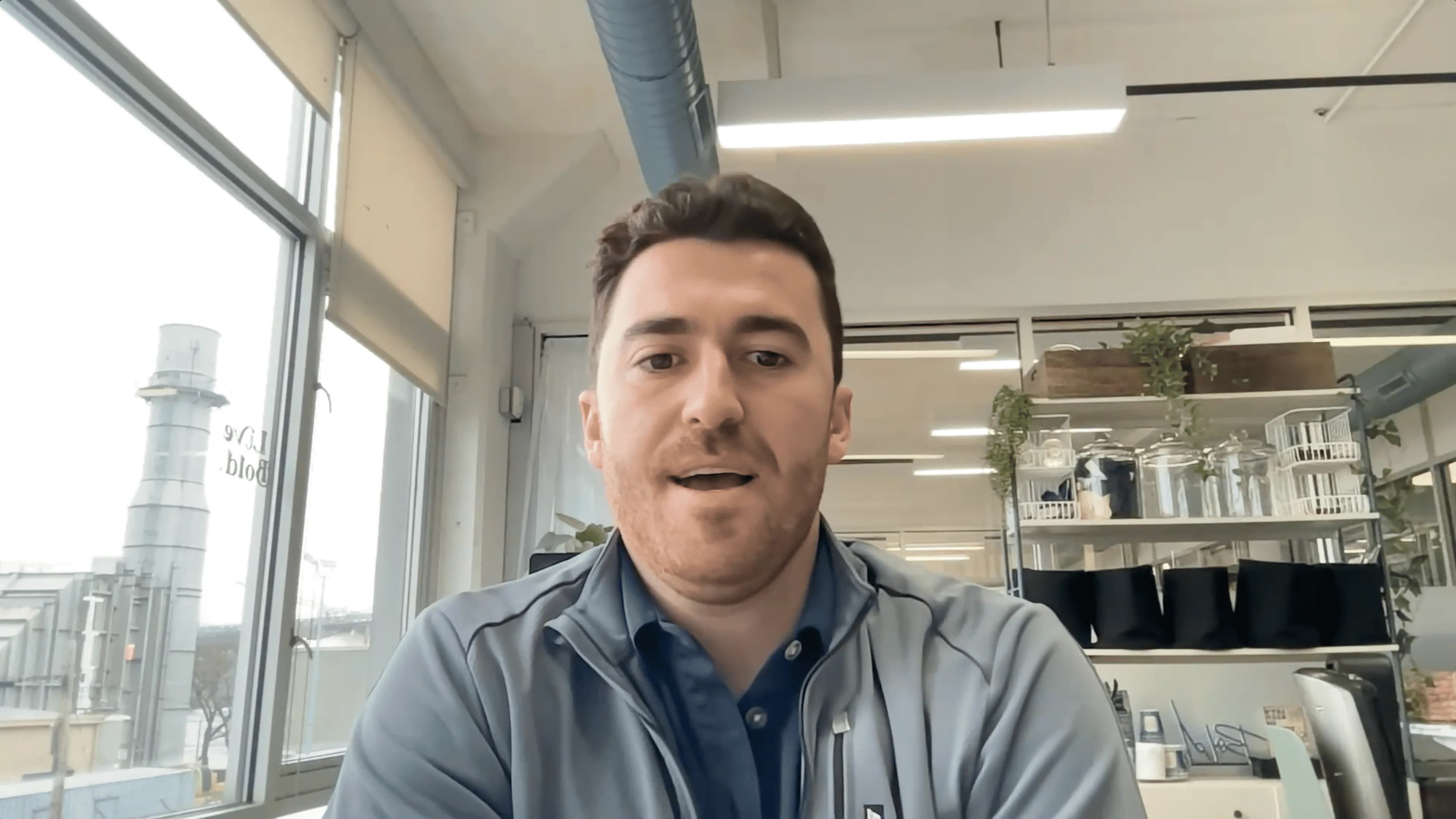




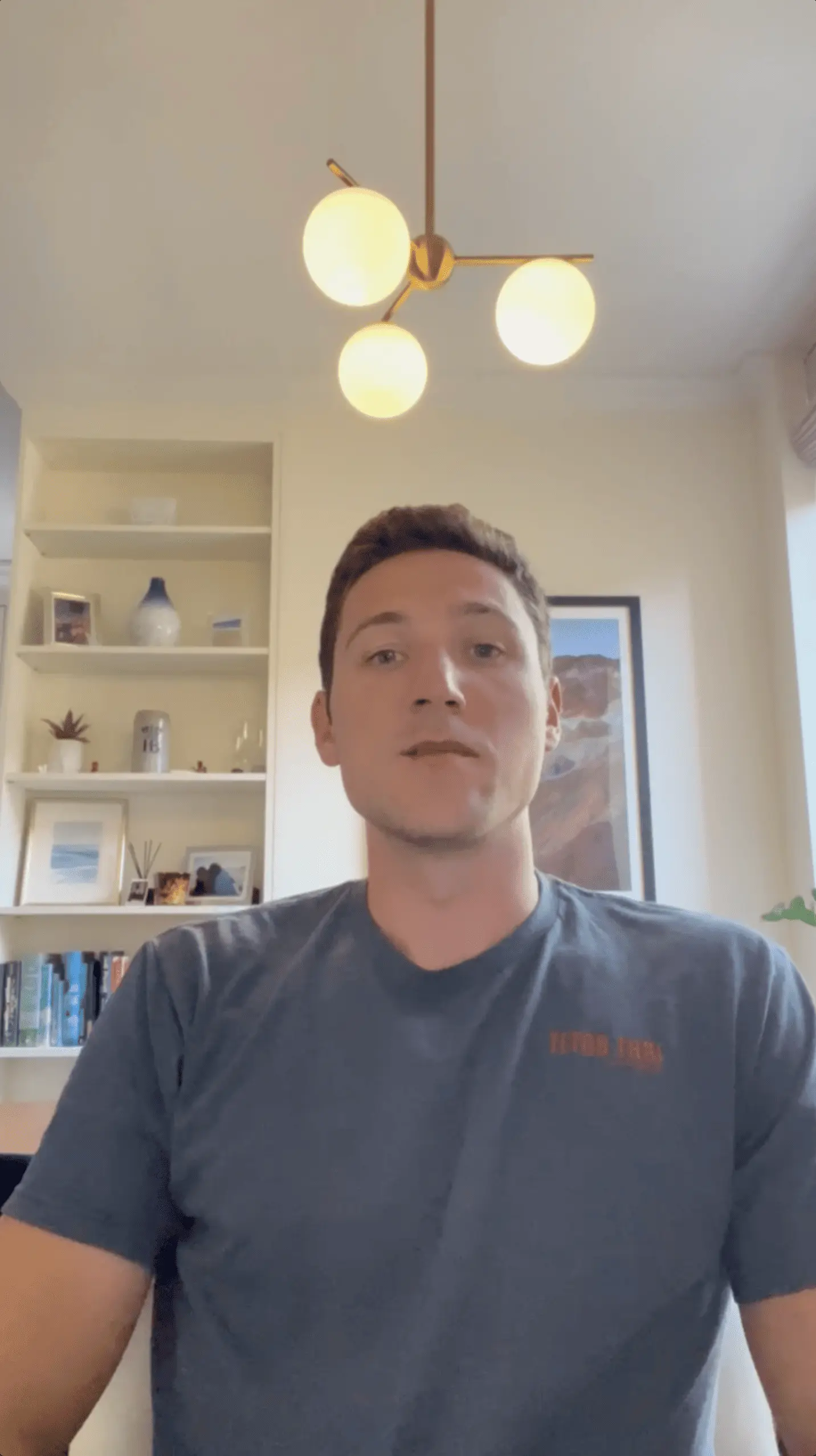
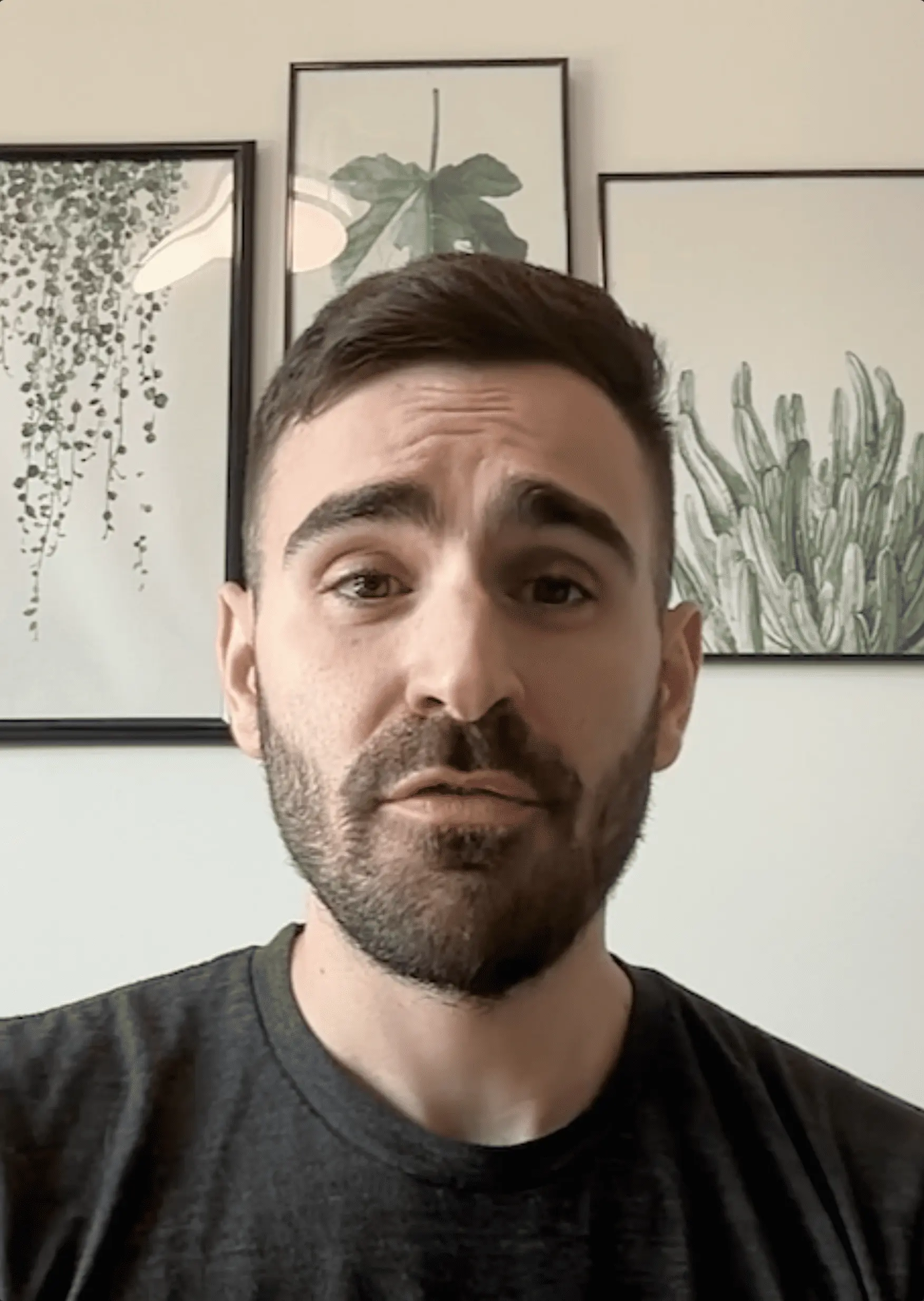


Dr. Febin Melepura, MD
Double Board-Certified Pain Specialist
Meet Dr. Febin Melepura — Your Shoulder Injury Specialist in NYC
Dr. Febin Melepura, MD is a double board-certified interventional pain management specialist and the founder of the Sports Pain Institute of New York. He completed his residency and fellowship training at New York Presbyterian Hospital / Columbia University Medical Center, one of the nation's leading academic medical centers.
He holds dual board certifications from the American Board of Anesthesiology and the American Board of Pain Medicine, and has treated more than 7,500 patients and performed over 5,250 procedures throughout his career. He has been named a Top Pain Management Doctor in New York and one of America's Top Doctors™ by Castle Connolly.
Dr. Melepura's approach to shoulder injuries is rooted in precision: identify the exact source, treat it with a targeted injection, and get you back to your daily life as quickly as possible.
Ready to Book an Appointment?
Same-day appointments available. Call (212) 621-7746 or book online.
What Our Shoulder Injury Patients Say

"Able to make an appointment to see Dr. Melepura on short notice… attentive to my concerns… Jazmin was also very kind and helpful."

"Excellent hospitality, listener and explainer… highly recommend the doctor and the place."
"Dr. Melepura is the best! He worked with me to find the optimal solution to my shoulder pain while I was preparing for a fight!"
"Lovely, bright and modern… doctor and staff were kind… felt my concerns were heard."
"Helpful and friendly staff who gladly follows up with you if and when needed. Dr Melepura was very helpful and professional as well as provided me with excellent information and feedback."
"Dr Febin is fantastic! Highly recommend him and his practice the Spin clinic. The doctor is a good listener, kind, attentive and gave me great advice. "
"Dr.Melepura was very efficient and interpersonal, felt like he was understanding the problems I was having and explained the processes to take to rehabilitate. I would recommend."
"I felt listened to and truly understood by Dr. Melepura. Started PT the very next day. They were very friendly and I didn't feel rushed at all. Already recommended them to my friends who have or continue to play through pain."